


Project 2026 is motivated by and their approach rests on the belief that democracy flourishes when citizens are informed and exercise genuine sovereignty. The project builds on the “first principles” of the Declaration of Independence—equality, liberty, and the pursuit of happiness—and applies them to our modern context.
Project 2026 is guided by a theory of change that recognizes the complexity of the political ecosystem and the importance of paradigm shift in creating meaningful change. Our approach is informed by disciplines such as political science, psychology, and complexity studies, and is based on the principle that the citizen is sovereign.
Our strategy focuses on changing the paradigm driving the political system and developing a system change agenda. This includes providing citizens with a clear vision, mission, and plan to guide their involvement in the political process. We also emphasize the importance of citizen engagement and empowerment in creating lasting change.
To support citizen involvement, we aim to equip individuals with the knowledge and tools necessary to understand and navigate the complex political ecosystem. This includes ongoing education and support, as well as a user's manual with a vision, mission, and plan.
We recognize that changing a complex system like the political ecosystem is a difficult task. However, we believe that by focusing on citizen engagement and empowerment, we can create a more informed and motivated citizenry that is capable of bringing about positive change. Through a combination of paradigm shift and citizen involvement, we hope to address the challenges facing the American political system and create a better future for all Americans.
Why engage in system change?
The following is an overview of our theory of change and strategy for Project 2026.
Our theory of change is informed by an understanding of complex systems and the importance of paradigm change in impacting them. We believe that to create meaningful change in the political ecosystem, we must recognize its complexity and simplify our approach to action.
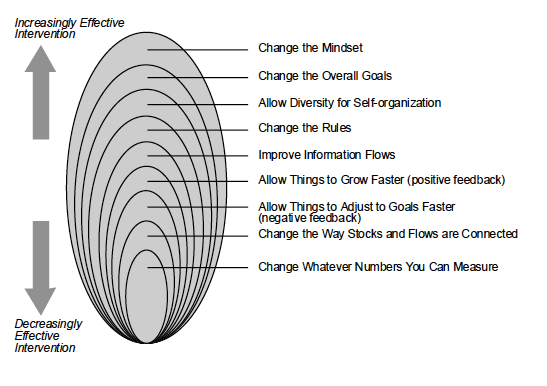
Our theory of change builds on established approaches from various disciplines, including political science, psychology, and complexity studies. It is based on the principle that the citizen is sovereign and builds on the principles articulated in the Declaration of Independence.
Our strategy focuses on changing the paradigm driving the political system and developing a system change agenda. This includes providing citizens with a vision, mission, and plan to guide their involvement in the political process. We also emphasize the need for citizen engagement and empowerment to create meaningful change.
To engage within the public sphere, we aim to equip citizens with the knowledge and tools necessary to understand and navigate the complex political ecosystem. This includes a user's manual with a vision, mission, and plan, as well as ongoing education and support.
We recognize that changing a complex system such as the political ecosystem is a daunting task. However, we believe that by focusing on citizen engagement and empowerment, we can create a more informed and motivated citizenry that is capable of bringing about meaningful change. Through a combination of paradigm shift and citizen involvement, we hope to address the challenges facing the American political system and create a brighter future for all Americans.
The Importance of Vision
The theory of change that guides Project 2026 builds on the recognition that the citizens are at the center of the political system and that the function of government is to allow people to flourish.
Have a vision toward where you are headed
Understand the paradigm
Define the challenge
Offer organizing frameworks, events and narratives
Crowdsourcing and deliberation
Tools for frictionless engagement
Monitor predetermined outcomes including unintended consequences
Understanding the Theory of Change in Organizations: Leveraging Paradigm Shifts for Transformation
In today’s dynamic world, organizations are constantly required to adapt and evolve. A theory of change provides a roadmap for implementing and managing change within organizations by defining long-term goals and then mapping backward to identify necessary preconditions. Donella Meadows, a pioneering environmental scientist, emphasized the power of paradigm shifts in her approach to system changes, which can offer profound insights for organizations aiming to undertake substantial transformations.
What is a Paradigm?
A paradigm is essentially a collection of habits, or a "governing conceptual framework" that shapes the way entities, including organizations, perceive and interact with the world. It’s an overarching viewpoint that directs the articulation of theories, methods, and practices within any discipline or field. In the context of organizational change, the existing paradigm includes the current beliefs, values, and techniques that define the organization.
The Importance of Paradigm Shifts
Meadows pointed out that the most profound way to influence a system is through a paradigm shift. For organizations, this means shifting the fundamental ways that people in the organization think, what they prioritize, and how they see their roles and the purpose of the organization itself. This shift can lead to transformative change, enabling the organization to achieve outcomes that were previously unimaginable under the old paradigm.
Principles of a Theory of Change
1. Identifying the Need for Change:
The first step in developing a theory of change is to recognize the need for a shift in the current paradigm. This might be driven by external pressures like technological advancements, market competition, or internal factors such as a need for better efficiency or enhanced workplace culture.
2. Articulating a Clear Vision:
Clear, compelling visions of the desired future help to steer the change effort. This vision should articulate a different state of being influenced by a new paradigm, such as moving from a top-down hierarchical model to a more decentralized, agile organizational structure.
3. Mapping the Change:
The theory of change requires a clear map from the current state to the envisioned future. This involves outlining the necessary steps, stages, and milestones that the organization must achieve along the way. It includes developing strategies, initiating pilot projects, and defining success metrics.
4. Implementing Paradigm Shifts:
Implementing a paradigm shift involves more than just superficial changes; it requires altering the underlying assumptions, norms, and values. This might involve redefining roles, introducing new governance structures, and cultivating a culture that supports the new paradigm.
5. Continuous Learning and Adaptation:
Change is not a linear process. It requires continuous adjustments and learning. Organizations should adopt a feedback mechanism that allows them to learn from the implementation process and make necessary adjustments. This iterative process helps to refine the approach and ensures the sustainability of the change.
6. Engaging Stakeholders:
Successful change requires the engagement of all stakeholders, including employees, management, customers, and even suppliers. Their involvement ensures that the change has a broad base of support and that different perspectives are considered in shaping the new paradigm.
Conclusion
Organizational change through paradigm shifts offers a strategic approach to achieving lasting impacts. Inspired by Donella Meadows’ insights, organizations can move beyond incremental changes to realize significant transformations. By rethinking the core assumptions and mental models that govern their operations, organizations can unlock innovative solutions to complex challenges, paving the way for a future that once seemed out of reach. This approach not only enhances organizational effectiveness but also contributes to a more adaptable and resilient business environment and a responsive society.