

From Diversity to Flourishing
Embracing a New Vision with the Democracy, Opportunity, Citizenship Moonshot

We envision a world where every individual, regardless of their background, has the opportunity to thrive and reach their full potential.
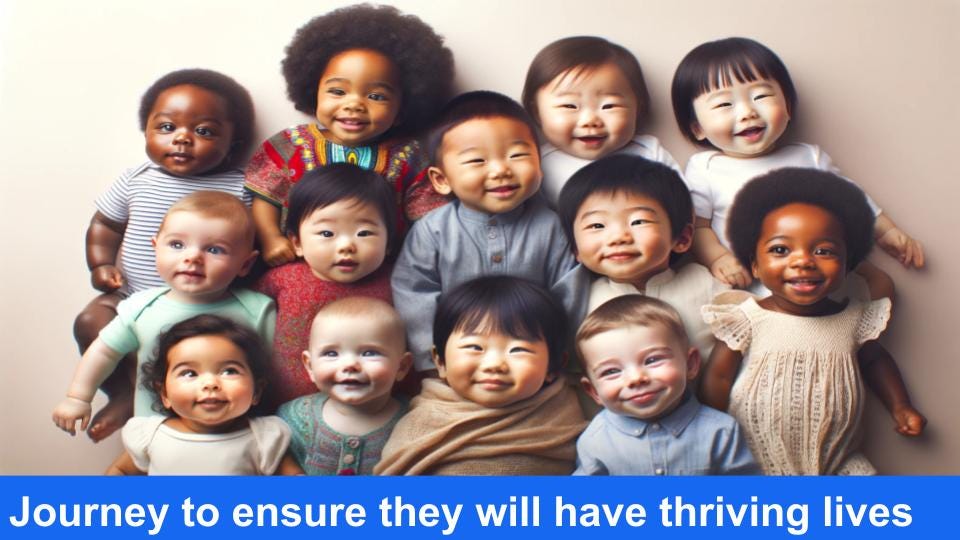
In recent times, the conversation around Diversity, Equity, and Inclusion (DEI) initiatives has intensified. While these programs aim to address inequities by focusing on representation, fairness, and inclusion, they have faced significant criticism and diminishing popularity. The recent federal election results suggest that DEI policies and practices may not resonate with a substantial portion of the public. Critics argue that these initiatives can inadvertently encourage division and undermine meritocratic principles.
Recognizing the need for a fresh approach, the Institute for Salutogenesis has introduced the Democracy, Opportunity, Citizenship (DOC) moonshot. This innovative program shifts the focus from traditional DEI frameworks to empowering all citizens to reach their full potential within a vibrant democracy.
The Vision of DOC: Empowering Citizens at Every Stage
DOC represents a paradigm shift toward maximizing the capabilities of every individual to engage in and contribute to a flourishing nation. By intertwining salutogenic principles—which emphasize the promotion of health and well-being—with the democratic ideals of equal opportunity and active citizenship, DOC offers a holistic approach to societal development.
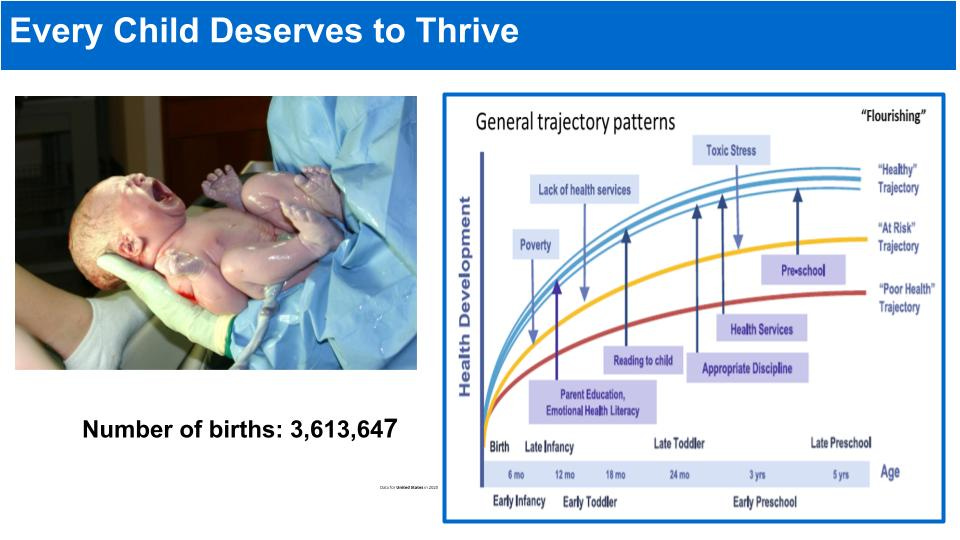
At its core, DOC understands that a thriving life results from a combination of factors: biological, cultural, social, environmental, spiritual, and political. The initiative's comprehensive strategy targets different life stages, beginning with the critical first 1,000 days of life. From preconception to 24 months, DOC emphasizes the importance of nurturing the bio-psycho-social and environmental variables foundational to lifelong health and well-being.
Citizenism Toolbox: A Resource for Empowerment
A unique aspect of the DOC initiative is the Moonshot Press Toolbox. This innovative resource equips individuals with the tools and knowledge necessary to maximize their potential. Moving beyond merely addressing discrimination or inequity, it empowers people to become active, engaged participants in their communities and the broader political ecosystem.
The toolbox offers educational materials, interactive platforms, and community-building activities designed to enhance skills, foster collaboration, and encourage proactive involvement in societal development.
Fostering Political Agency and Engagement
Central to DOC is nurturing political agency among citizens. The initiative recognizes that an empowered and informed citizenry is essential for a healthy democracy. By providing activities and tools that enhance engagement in the political sphere, DOC encourages individuals to take an active role in their personal development and in shaping public policy.
Moreover, the initiative offers resources to track and interact with stakeholders—including regulators and public servants—reinforcing the idea that a thriving democracy depends on the active participation and accountability of all its constituents.
A Response to Shifting Public Sentiment
The recent election results highlight a growing skepticism toward traditional DEI approaches. Many voters appear to favor initiatives that promote unity and equal opportunity without emphasizing differences. DOC addresses this shift by focusing on shared values and collective growth, rather than divisive categorizations.
By prioritizing democracy, opportunity, and citizenship, the initiative seeks to unite individuals under common goals. It emphasizes that when all citizens are empowered and actively participating, society as a whole benefits.
Conclusion: A New Path Toward a Flourishing Nation
The Democracy, Opportunity, Citizenship (DOC) moonshot offers a hopeful and inclusive path forward. In response to the shortcomings and declining popularity of traditional DEI approaches, DOC proposes a more holistic and proactive method for fostering a society where every individual has the opportunity to flourish.
By focusing on empowerment, engagement, and comprehensive development, DOC sets the stage for a vibrant democracy where all citizens can realize their fullest potential. It invites everyone to participate in building a nation characterized by opportunity, active citizenship, and collective well-being.
Democracy, Opportunity and Citizenship at The Start of Life
The First 1000 Days initiative
In the pursuit of a more just and equitable society, the concept of affirmative action has been a subject of ongoing debate and exploration. As we seek to dismantle systemic barriers and create opportunities for all individuals to reach their full potential, it is crucial that we consider innovative approaches, such as focusing on the first 1000 days of life, to address the social and commercial determinants of health and systemic obstacles that hinder progress.
The First 1000 Days initiative offers a compelling framework through which we can examine the early stages of life as a foundation for affirmative action. By recognizing the critical importance of this period, we can better understand the factors that contribute to individual well-being and the development of essential capabilities. This understanding serves as a foundation for supporting and empowering individuals in their journey towards success.
Central to this approach is the notion of citizen agency. By equipping citizens with the necessary tools and resources, we can increase their capacity to address the social and commercial determinants of health. This includes ensuring access to quality healthcare, nutritious food, safe environments, and educational opportunities. Empowering individuals with agency enables them to actively participate in shaping their own lives and overcoming systemic barriers.
The First 1000 Days initiative takes a comprehensive view of affirmative action by considering both personal and societal factors. Its citizen-focused action plan encompasses personal choices, social interactions, and political engagement. By addressing these multiple dimensions, the initiative acknowledges the complex interplay between individual agency and systemic obstacles. This holistic approach enables individuals to navigate and challenge the barriers that hinder their progress, promoting a more equitable society.
Moreover, by focusing on the first 1000 days of life, we can proactively address the root causes of inequality and disparity. By investing in early interventions, we can break the cycle of disadvantage and provide individuals with the necessary support to thrive. This approach aligns with the principles of affirmative action by actively working to level the playing field and dismantle systemic barriers that hinder individuals from achieving their potential.
By directing our attention and resources towards the first 1000 days, we can lay a solid foundation for future success. This encompasses not only addressing immediate needs but also addressing long-term aspirations and capabilities. By providing individuals with the tools, support, and opportunities they need during this crucial period, we create a pathway towards a more equitable society.
The First 1000 Days initiative offers a transformative vision for affirmative action, one that recognizes the importance of early interventions and citizen agency in addressing the social and commercial determinants of health. By focusing on this critical period of life, we can lay the groundwork for individuals to overcome systemic barriers and achieve their full potential. As we embrace this approach, let us remember that true affirmative action lies in our commitment to nurturing the first 1000 days and creating a society where every individual has the opportunity to flourish.
Created with Chat GPT assistance
Go Deeper
Executive Order On Advancing Racial Equity and Support for Underserved Communities Through the Federal Government | The White House January 21, 2021
Sec. 2. Definitions. For purposes of this order: (a) The term “equity” means the consistent and systematic fair, just, and impartial treatment of all individuals, including individuals who belong to underserved communities that have been denied such treatment, such as Black, Latino, and Indigenous and Native American persons, Asian Americans and Pacific Islanders and other persons of color; members of religious minorities; lesbian, gay, bisexual, transgender, and queer (LGBTQ+) persons; persons with disabilities; persons who live in rural areas; and persons otherwise adversely affected by persistent poverty or inequality.
(b) The term “underserved communities” refers to populations sharing a particular characteristic, as well as geographic communities, that have been systematically denied a full opportunity to participate in aspects of economic, social, and civic life, as exemplified by the list in the preceding definition of “equity.”
The People's Commission to Make Our Children Healthy
Trump’s Babies: The First 1,000 Days and the Future We Owe Them
Beyond DEI: Embracing the Democracy of Opportunity for an Equitable Future (CNN)
INSTRUCTING ANIMOSITY: How DEI Pedagogy Produces the Hostile Attribution Bias Network Contagion Research Institute
How To Fix DEI - by Rachel Kleinfeld - Persuasion
Risk Management Overtakes ESG And DEI In 2024
DEI is getting a new name. Can it dump the political baggage?
Coleman Hughes | Full Episode 4.12.24 | Firing Line with Margaret Hoover | PBS
Ibram X. Kendi Faces a Reckoning of His Own - The New York Times?
For Most College Students, Affirmative Action Was Never Enough